Reimagining Grandeur, Responsibly
Today we dive into Sourcing Reclaimed Luxury Materials: Marble, Timber, and Fixtures with Provenance, celebrating beauty with integrity. Expect practical guidance, real-world anecdotes, and expert tips for locating authenticated stone, venerable wood, and storied hardware while respecting safety, performance, and environmental stewardship. Share your experiences, ask questions, and subscribe for deeper case studies, supplier checklists, and hands-on methods that turn historical character into confidently deliverable, modern excellence.
Marble with Memory: Reading, Testing, and Honoring Old Stone
Reclaimed marble often arrives carrying gentle wear, quarry stamps, and stories from grand foyers or quiet cloisters. Learning to read its clues—edge softness, chisel marks, filler repairs—helps you honor heritage while planning realistic applications. Successful projects pair thorough inspection and respectful finishing with smart installation strategy, yielding surfaces that perform gracefully in kitchens, baths, and entries without losing the soulful evidence of previous lives and hands.

Interpreting marks, veining, and quarry signatures
Start by mapping veining direction, book-matching potential, and color consistency across lots, noting patches or historical repairs. Look for quarry stamps, mason numerals, or shipping ink that reveal origin and era. Photograph every clue, cross-reference trade directories, and request prior installation images. These details shape layout decisions, seam placement, and edge treatments, preserving authenticity while ensuring design intent and long-term durability under real, daily use.

Authenticity, safety, and performance checks
Authenticate with petrographic reports, provenance certificates, and seller references, then validate performance through water absorption tests, Mohs hardness checks, and stain-resistance trials on sample offcuts. Confirm absence of harmful sealers or surface contaminants using solvent spot checks. Evaluate thickness variance and micro-fractures to anticipate backing strategies. Careful pre-qualification prevents costly surprises, aligns expectations, and lets you transparently communicate opportunities and limitations to clients and builders.
Timber Reborn: Grain, Strength, and Stories in Every Beam
Reclaimed timber offers tight grain from slow-grown forests, embedded nail shadows, and centuries of service hardened by time. Sourcing requires careful species identification, moisture assessment, metal detection, and grading for structural reliability. Proper milling reveals hidden beauty without sacrificing strength. From beams to flooring, paneling, and joinery, thoughtful detailing allows movement, highlights patina, and meets modern codes. The result is warmth, depth, and unmatched narrative value throughout refined interiors.

Fixtures with History: Hardware, Lighting, and Bathware Reimagined
Salvaged fixtures—from bronze door sets to porcelain basins and crystal pendants—bring irreplaceable tactility. True success depends on authenticating maker marks, assessing mechanical integrity, and upgrading safely. Rewiring to modern standards, pressure-testing valves, and refinishing with conservation-minded techniques protect both users and value. When thoughtfully integrated, storied fixtures elevate spaces with dignified sparkle, quiet weight, and the gratifying click, glow, or flow that only time-tempered components can provide.
Rewire vintage lighting with UL or CE-compliant components, heat-rated sockets, and properly grounded pathways. Validate canopy load capacities and verify hanging hardware. Test photometrics with modern lamps to achieve color accuracy and dimming behavior suited to fine materials nearby. Maintain original shades when safe, or commission replicas from artisans to preserve silhouette. Documentation of upgrades reassures insurers, consultants, and clients that sparkle never sacrifices safety or reliability.
Pressure-test reclaimed taps and valves, replace seals with compatible elastomers, and evaluate finishes for lead safety where regulations require. Use adapter kits to bridge legacy threads, and consider hidden tempering valves for modern comfort. Glaze checks in basins warrant inspection and possible stabilization. Combining invisible technology with visible authenticity yields daily usability, hygienic confidence, and maintenance access without erasing delightful handles, escutcheons, and the weighty nobility of cast metal bodies.
Avoid over-polishing; instead, clean gently, consolidate fragile finishes, and seal with reversible, conservation-grade products. Where brass requires brightwork, mask hallmarks and maker stamps. Document treatments, noting abrasive grits, compounds, or lacquers used. This creates repeatable maintenance routines and protects investment value. Tactile variation remains legible, catches light beautifully, and reminds occupants that craftsmanship endures when cared for intelligently, deliberately, and with pride in stewardship.

Provenance You Can Trust: Paper, Pixels, and People
Confidence grows from transparent documentation and verifiable history. Seek bills of salvage, deconstruction permits, quarry records, and dealer declarations attesting to source and lawful transfer. Photographic evidence, site maps, and contactable references provide human context. Digital tools—QR tagging, serialized tracking, and even blockchain-backed registries—can strengthen chain-of-custody records. With clear paperwork, ethical practice becomes demonstrable, insurance coverage becomes easier, and long-term asset value is more defensible at appraisal.


Beyond Aesthetics: Circularity, Carbon, and Community Impact
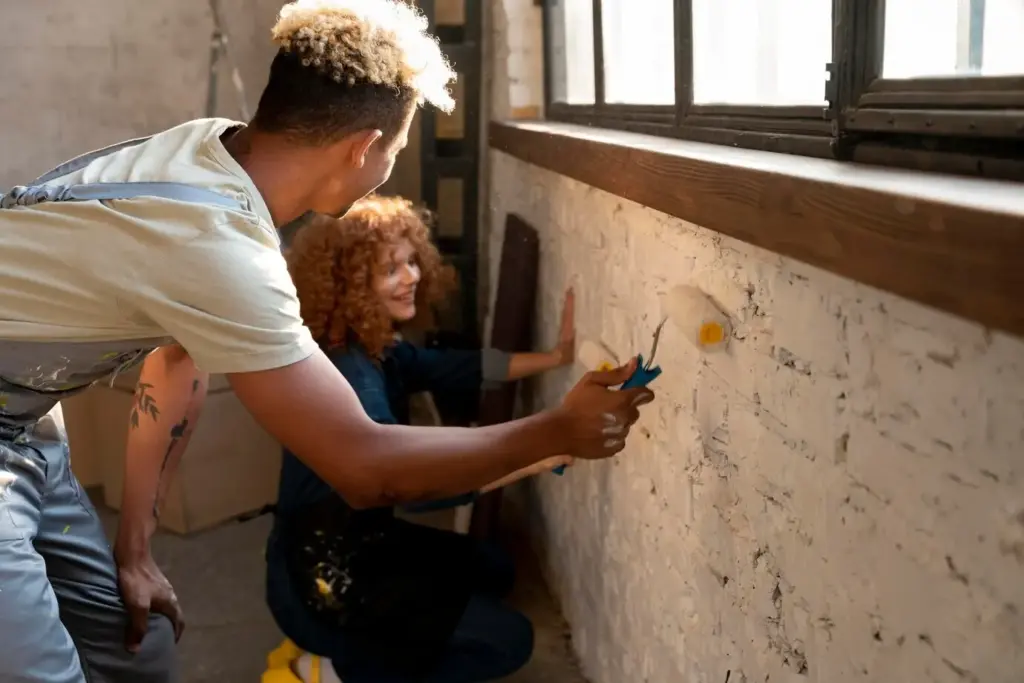
Reusing luxury materials prevents demolition waste, preserves cultural memory, and significantly reduces embodied carbon compared to new extraction. Incorporate circular design principles—retain, repair, reconfigure—before replacing. Evaluate shipping distances, packaging choices, and end-of-life strategies to avoid unintended impacts. Partnering with local deconstruction crews can create skilled jobs and keep value within neighborhoods. With transparent metrics and honest storytelling, environmental benefits become as tangible as veining, grain, or perfectly balanced hardware.

From Salvage to Site: Craft, Tolerances, and Risk Management
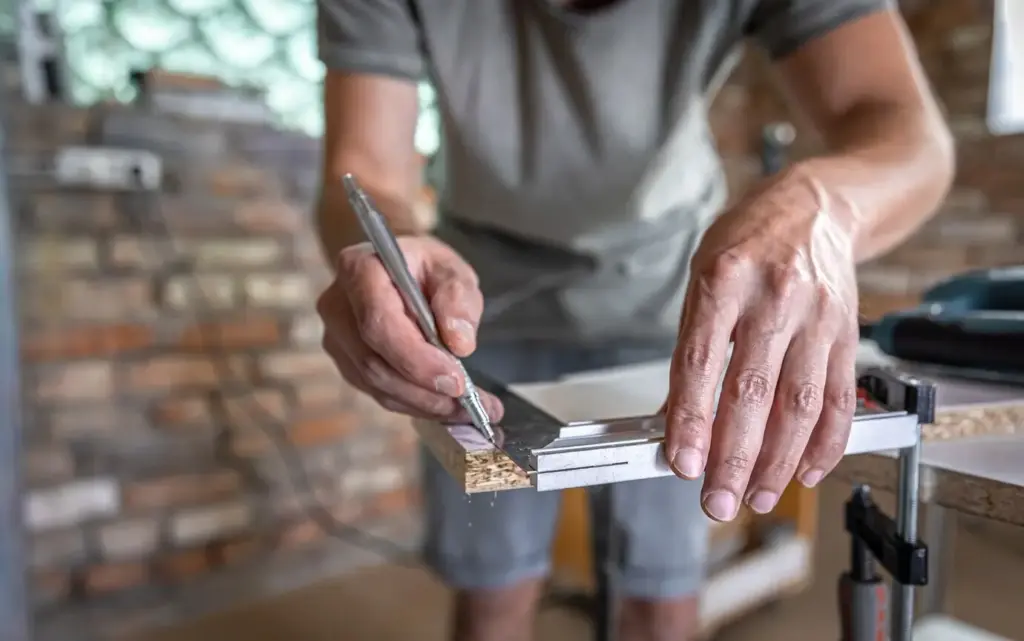
Execution determines whether storied materials sing or struggle. Plan mockups, tolerance studies, and substrate preparation early. Coordinate specialists for stone templating, timber joinery, and fixture restoration, integrating their insights into schedules and contracts. Clarify warranties, maintenance protocols, and spare stock strategy. Anticipate variability with thoughtful details and honest client communication. When craft, logistics, and risk planning align, installations feel effortless, durable, and worthy of their remarkable origins.
Finding the Exceptional: Where, When, and How to Source
Great finds come from cultivated relationships and disciplined scouting. Explore deconstruction firms, architectural salvage dealers, estate managers, auction houses, and institutional renovations. Track calendars for demolition windows, confirm inspection access, and verify storage conditions. Negotiate with respect, document immediately, and move quickly on well-matched lots. Staying curious, communicative, and organized ensures you discover pieces that fit design intent, project timing, and the high standards your clients trust.